Best Natural Duvet Fillings for Sound Sleep
Choosing the best natural duvet filling can be daunting, as there are many types of materials. Researching and determining which kind of material is right for you is essential.
Down, feather, wool, bamboo, eucalyptus, and even organic cotton are all available in duvet fillings today. This article will explore some of the best natural duvet fillings and discuss their pros and cons.
Disclaimer: As an Amazon Associate I earn from qualifying purchases.
Natural Plant-Based Duvet Fills
Eucalyptus Duvet Inserts
Eucalyptus duvet inserts are made from eucalyptus fibers which have many unique properties that make them ideal for bedding materials. Here are some pros and cons of eucalyptus duvet inserts:
Pros:
- Soft feel yet durable material
- Temperature-regulating abilities make it a perfect choice for warm months and hot sleepers.
- Naturally hypoallergenic and resistant to dust mites.
Cons:
- More expensive than down alternative or other synthetic duvet inserts
- Not as lofty as a feather or down fillings
- Not the best choice for cold climates
Product Details: Eco-friendly, Biodegradable, Hypoallergenic
Materials: 100% Eucalyptus Fiber
Sizes: Twin, Queen, King

Read More: Best Eucalyptus Comforters
Bamboo Duvet Fill
Bamboo duvet inserts are a great way to add extra cushioning and comfort to your bedding. They are constructed of fine bamboo fibers that provide superior breathability, temperature regulation, and softness.
They come in various thicknesses so you can customize the comfort level to your preference. Take a look at these pros and cons of bamboo duvet inserts:
Pros:
- Breathable – keeps air circulating, helping keep you cool in the summer and warm in the winter.
- Temperature regulating – wicks away moisture to maintain an ideal temperature for sleep.
- Hypoallergenic – perfect for those with allergies as bamboo does not attract dust mites or other allergens.
- Durable – bamboo is a strong, robust material that will withstand wear and tear over time.
Cons:
- Bamboo duvets are expensive compared to other materials.
- Duvets tend to be thicker than others, so that they may take up more space in your bedroom.
- They cannot be machine-washed

Hemp
Hemp duvets are becoming increasingly popular due to their natural and sustainable qualities. Hemp fibers come from the Cannabis Sativa plant, but don’t worry – no psychoactive ingredients are included in hemp bedding. Here are some pros and cons of using a hemp duvet:
Pros:
- Extremely durable – can last for years with proper care
- Breathable, temperature-regulating material
- Naturally resistant to dust mites and other allergens
- Eco-friendly, sustainable and biodegradable
Cons:
- More expensive than other types of bedding materials
- Due to high breathability, it may not be as insulating as other materials
Features: Filled with double layer of organic hemp fiber
Materials: Organic Hemp Filling and Linen Casing
Sizes: Twin, Full, Queen, King + Custom Sizes
Cotton Duvet Filling
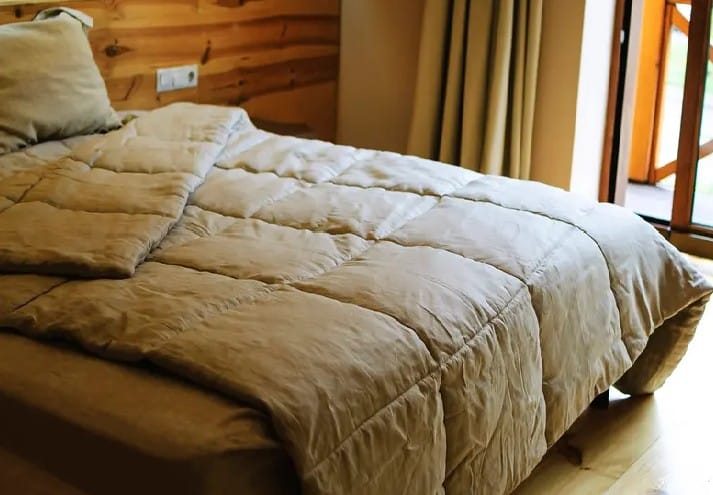
A cotton duvet insert is a lightweight, breathable, sewn quilt constructed from hypoallergenic natural or synthetic fibers. This type of bedding is ideal for those seeking an affordable yet luxurious alternative to traditional bed covers.
Cotton duvets are available in different weights and thicknesses to provide a comfortable sleep surface. Here are some pros and cons of using this type of bedding:
Pros
- Affordably priced compared to other types of bedding
- Lightweight and breathable material
- Hypoallergenic material
- Available in different weights and thicknesses
Cons
- May become lumpy with time
- Not as durable as other duvets, such as eucalyptus
- May require more frequent replacing if not properly cared for
Read More: Best Organic Certified Comforters
Kapok Comforters
Kapok duvets are made from the Kapok tree, a long-fibered cotton native to southeast Asia. This type of duvet insert is known for its anti-allergenic and cooling properties, making it ideal for those with allergies or hot sleepers. The pros and cons of Kapok duvet inserts include:
Pros:
- Soft to the touch and lightweight
- Naturally hypoallergenic – great for those with allergies
- Highly breathable and temperature regulating abilities – keeps you cool in summer, warm in winter
Cons:
- Expensive compared to other natural duvet fillings
- Can be challenging to find due to limited availability in the market.
- Kampok cannot be washed with water.
Read More: Best Organic Kapok Pillows
Natural Duvet Inserts Made with Animal Byproducts
Animal byproduct duvet inserts, such as down and feathers, provide a luxurious sleeping experience while being recyclable and often compostable. However, these materials may be sourced in an unethical manner. Before purchasing these products, it is important to research where the animal byproducts were sourced from and if they were ethically harvested.
Wool Duvet Filling
Wool duvet inserts are filled with a layer of wool, providing superior insulation and breathability. The wool is sourced from sheep or alpacas, and the casing is made from a natural fabric, such as cotton. Before purchasing a wool duvet insert, here are some advantages and disadvantages to weigh for yourself:
Pros
- Natural and hypoallergenic material
- Highly breathable and helps regulate air temperature
- Keeps you warm in the winter and cool in the summer
- Durable and requires minimal maintenance
- Most wool duvets can be machine washed
Cons
- Can be expensive compared to other materials
- May not provide as much insulation as down or feather
- Not vegan-friendly and may involve animal cruelty if not sourced humanely.
Features: Organic, Eco-friendly, Thermoregulating
Materials: Organic Cotton, Alpaca Wool
Sizes: Twin, Full/Queen, King/Cal King
Silk
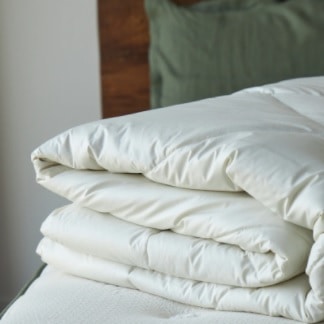
Silk duvet inserts are made of silk that comes from the cocoons of real silkworms. The silk is used as duvet insert fill after being processed and sanitized. Take a look at some of the pros and cons of using a silk duvet insert:
Pros
- Hypoallergenic and dust mite resistant.
- Soft and lightweight, making it perfect for hot sleepers.
- Temperature-regulating and breathable, perfect duvet insert for summer months.
- Feels luxurious and looks elegant.
Cons
- Can be pricey
- Requires extra care when washing, should be dry cleaned or hand washed in cold water only.
- Not as durable as other types of duvet inserts.
- Not a good choice for winter.
Materials: Mulberry Silk Filling and 100% Cotton Casing
Feather Duvet Inserts
Feather-filled duvet inserts comprise small, light feathers from birds such as ducks and geese. The feathers are cleaned and sterilized before being used in the duvet insert, and the casing is made from a cotton or synthetic fabric. To prevent the feathers from bunching up, many inserts are quilted to keep the feathers evenly distributed.
Pros:
- Excellent insulation, helping you stay comfortable throughout the night.
- Keeps you warm in the winter and cool in the summer.
Cons:
- May cause allergic reactions in some people.
- Not suitable for vegans or those who care about animal welfare.
- Bulky and requires regular maintenance, such as fluffing them up every few months.
Materials: Oeko-Tex certified organic cotton, down and feather fibers
Down Duvet Fill
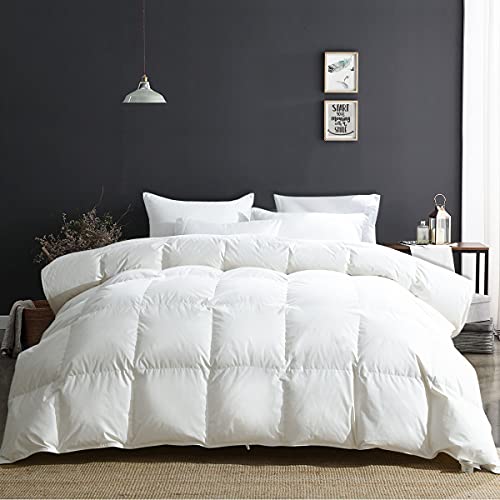
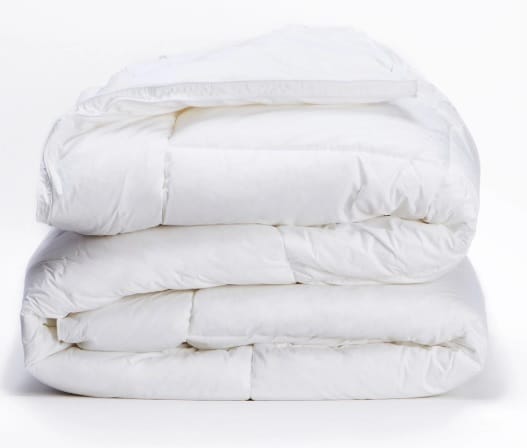
Down duvet inserts are filled with a layer of down feathers, providing superior insulation to keep you warm in the winter. Here are some pros and cons to consider when choosing a down duvet insert:
Pros
- Lightweight and luxurious feel
- Provides superior insulation compared to other materials
- Highly breathable and promotes air circulation
- Soft and fluffy
Cons
- Some people can be allergic to down feathers
- Expensive compared to other natural materials
- May involve animal cruelty if not certified as humanely sourced.
Features: Organic, Eco-friendly, USDA-Certified, Woolmark-certified, Hypoallergenic
Materials: Organic Cotton, Organic Down
Sizes: Twin, Queen, King
Read More: Down vs Wool Duvets
Why Buy a Natural Duvet Insert?
Natural duvet inserts are a perfect choice for a more eco-friendly and healthy option when it comes to bedding. Here are just some of the benefits:
- Eco-Friendly: Natural duvets are not treated with harsh chemicals or synthetic materials and typically use renewable resources like cotton, bamboo, wool, or eucalyptus. This makes them much more sustainable than traditional alternatives.
- Recyclable: Most natural duvets can be recycled after use if they no longer serve their purpose. This helps reduce landfill waste and is an easy way to decrease your carbon footprint.
- Hypoallergenic: Natural fibers are naturally hypoallergenic so that they won’t aggravate allergies or asthma. They also resist dust mites which further increases comfort and helps keep allergens at bay.
- Chemical-Free: Organic-certified natural fiber duvets are chemical-free, meaning you don’t have to worry about dangerous toxins in your bedding such as formaldehyde, PBDEs, and other flame retardants used in traditional bedding options.
Read More: Top 10 Organic Printed Sheets
Tips on Shopping for the Best Natural Duvets
When shopping for natural duvet inserts, look out for the following features:
- Avoid Synthetic Fibers and Casings: Synthetic fibers and casings contain harsh chemicals that can irritate your skin and potentially increase your risk of allergies or asthma attacks. They’re also a source of microplastics that contaminate our water and land. Also, synthetic duvets are not as breathable and durable as their natural and organic counterparts.
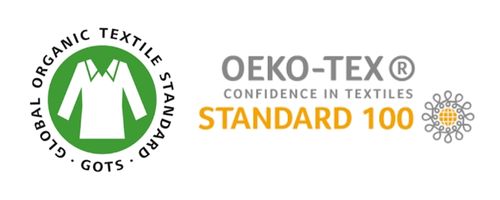
- Look For Organic Certified Products: Certified organic products don’t contain chemical dyes or finishes that may irritate your skin. GOTS and USDA are some of the most common organic certifications.
- Buy Organic Certified Duvet Covers: Organic certified covers help protect your duvet insert from dust mites while providing an overall softer feel so you can get the most comfortable sleep possible. You can easily find organic duvet covers with a GOTS certificate to give your bedroom a stylish and modern look.
- Choose plant-based materials: Plant-based materials are sourced without resorting to animal cruelty or exploitation. According to PETA, even certified animal products such as wool don’t guarantee that the animals were treated humanely. Look for materials like cotton, bamboo, or eucalyptus which are all vegan-friendly and chemical-free.
- Choose duvet inserts with baffle box stitching: Baffle box stitching helps ensure that your duvet insert is evenly filled by preventing the filling from bunching up or shifting, creating an even loft throughout the night for superior comfort.
- Check care instructions: Read the label to determine how to best care for your duvet insert. Natural materials require gentle and specific washing instructions, which can vary depending on the material.
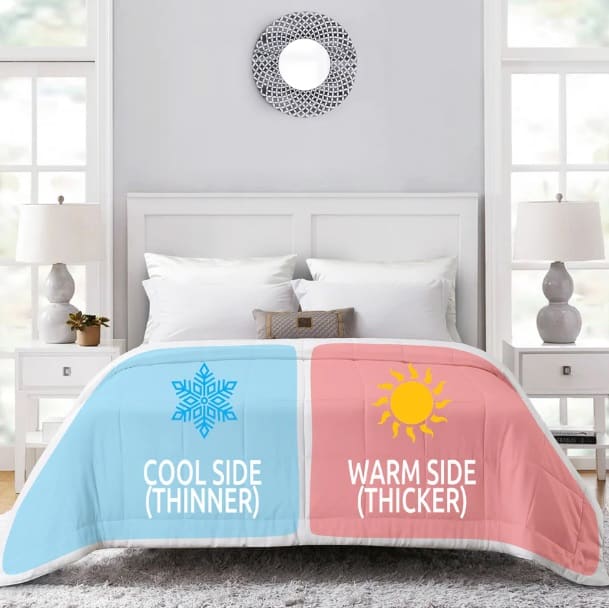
- If you and your partner have different temperature preferences, look for duvets with varying fill weights on each side to accommodate both needs. Komfie Eucalyptus Comforter is a great option that offers adjustable warmth for couples.
Shell Material: 100% Eucalyptus Lyocell
Filling: Natural bamboo fiber fill
Tips for Maintaining Natural Duvets
Here are some tips for maintaining your natural duvet:
- Regularly air out the duvet: Natural duvets must be aired regularly to keep them fresh and odorless – this means airing them in a well-ventilated space outside or on a balcony.
- Clean it with a vacuum cleaner: Use a vacuum cleaner attachment to gently remove dust and dirt from the duvet, paying extra attention to seams and crevices.
- Spot treat where necessary: Use a specific cleaning product designed for natural fabrics if stains or marks appear. Always consider spot testing first before applying any product directly onto the textile.
- Treat it with a stain guard: Using a stain guard specifically made for natural fibers can help protect against spills and wear and tear. Be sure to follow product instructions carefully when applying the guard.
- Wash on low temperatures: Depending on the fabric, you may be able to safely machine wash your natural duvet at low temperatures such as 30°C or 40°C. However, always read manufacturer labels and instructions carefully before washing your duvet to ensure you don’t damage the material.
- Store in a cool dry place: Store your duvet in a cool, dry place, such as an airing cupboard or wardrobe. This will help keep your duvet in the best condition and extend its lifetime. You can also use vacuum-sealed bags for added protection.
Read More: Best Wool Duvet Inserts
Conclusion
In conclusion, natural duvet inserts made with plant-based, organic, and cruelty-free materials are the best choice for anyone seeking a peaceful night’s sleep. These duvet inserts are better for the environment and more sustainable than those made with synthetic materials, and they also help promote ethical consumption practices.
A good quality natural duvet insert provides maximum comfort and warmth and allows you to rest peacefully, knowing that you support responsible business practices.
Read More: Down vs. Down Alternative